

Arm prostheses
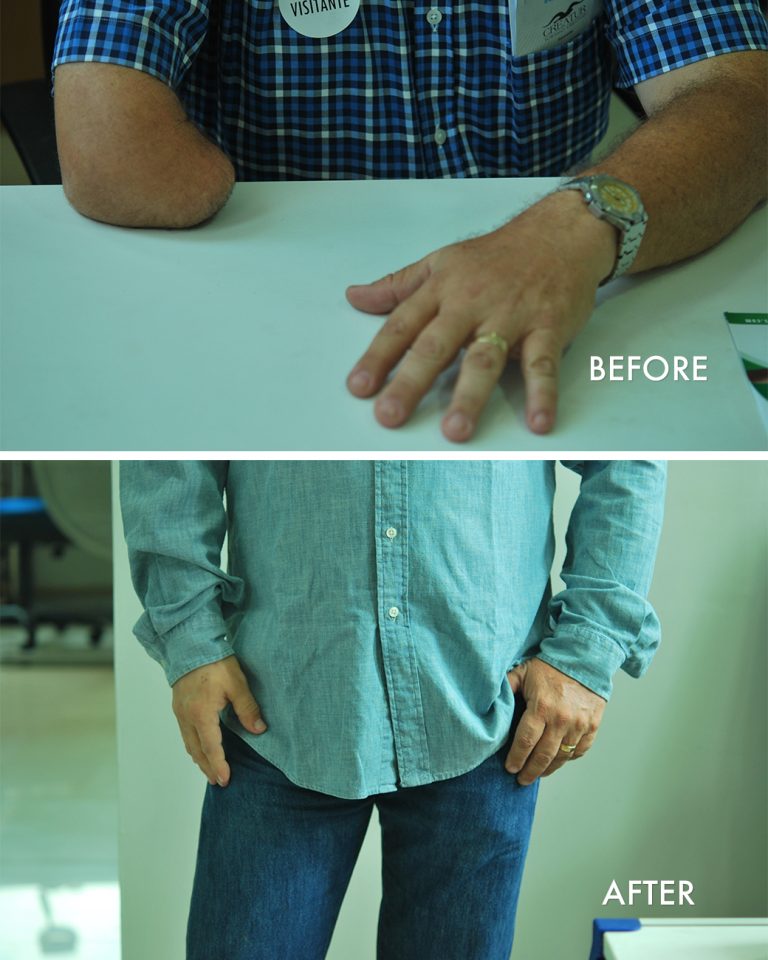
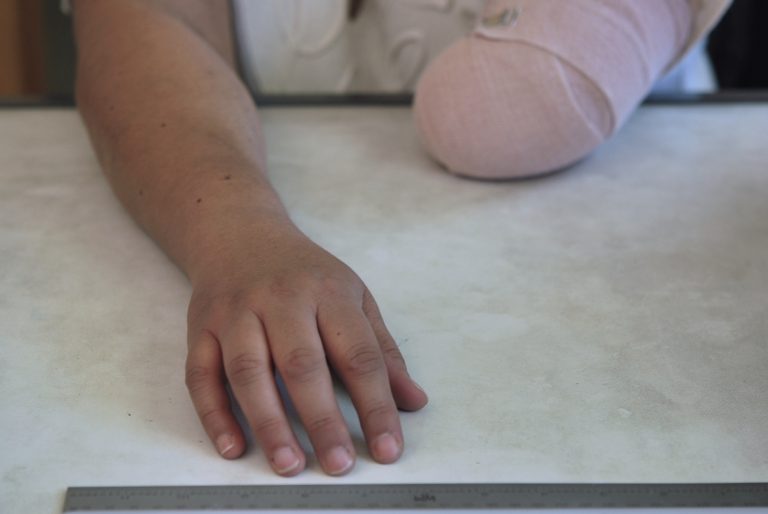
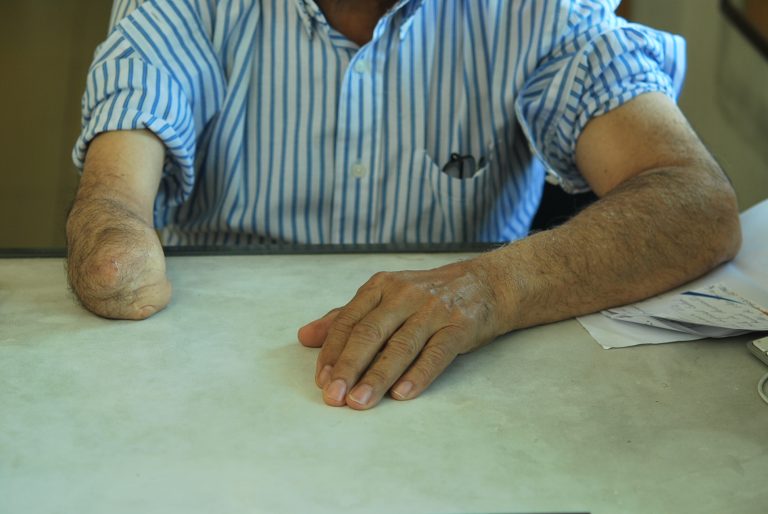
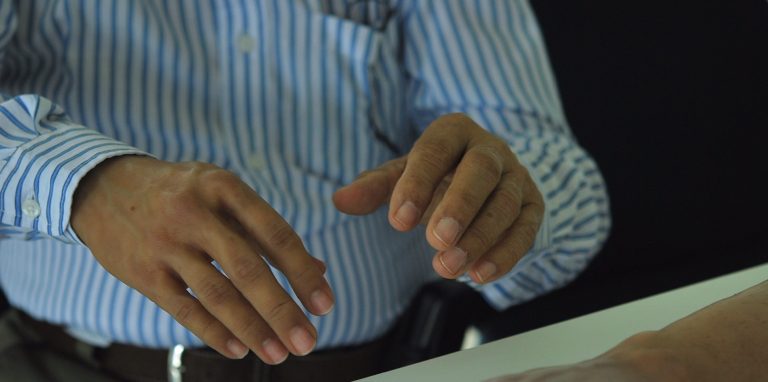
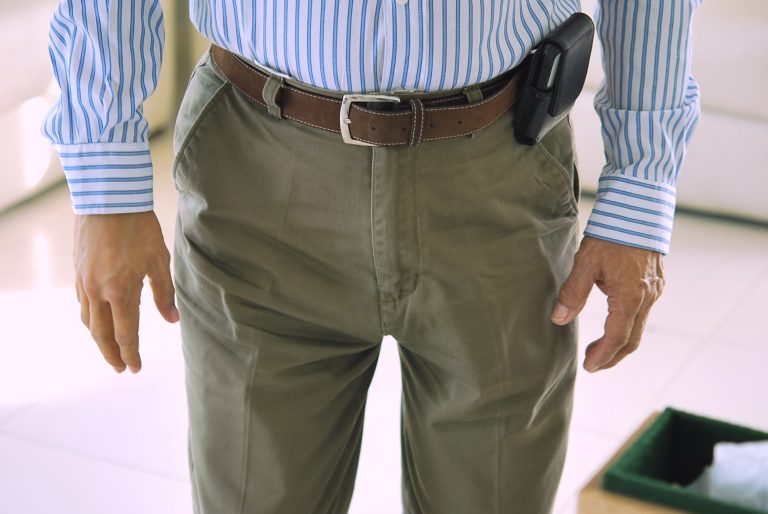
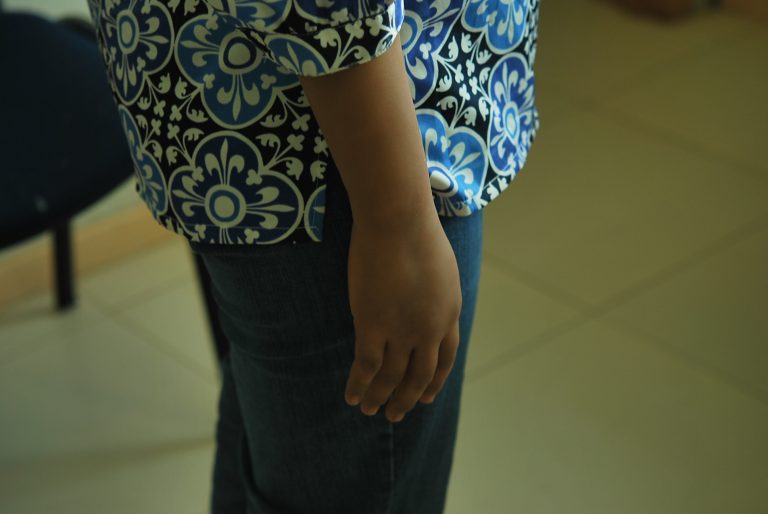
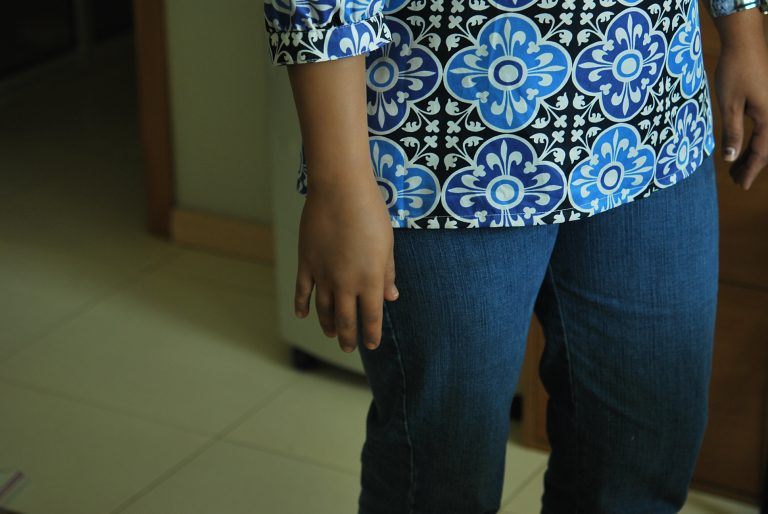
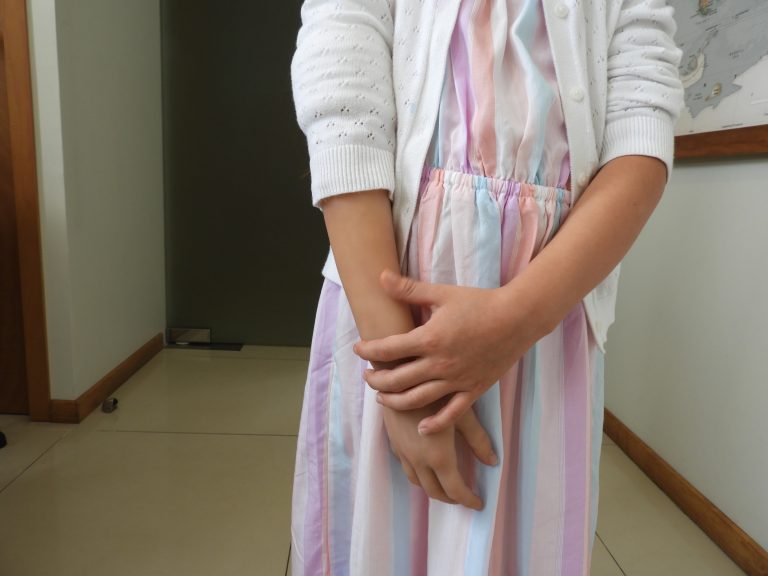
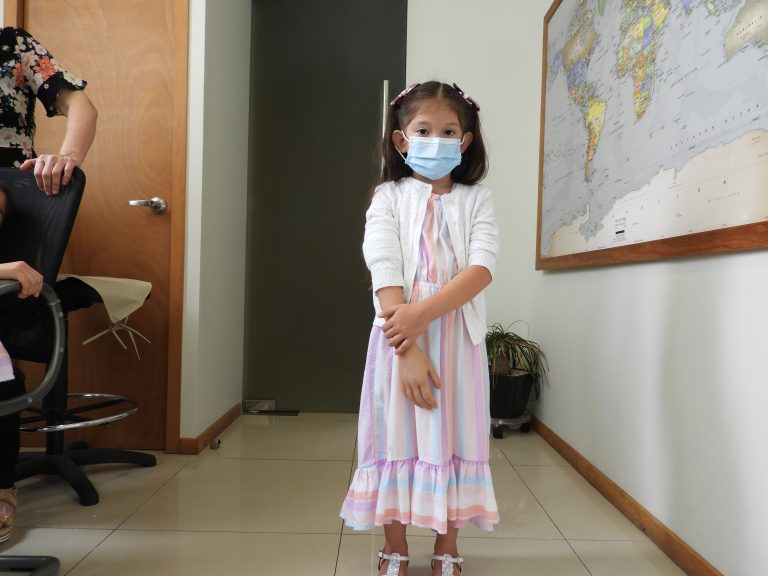
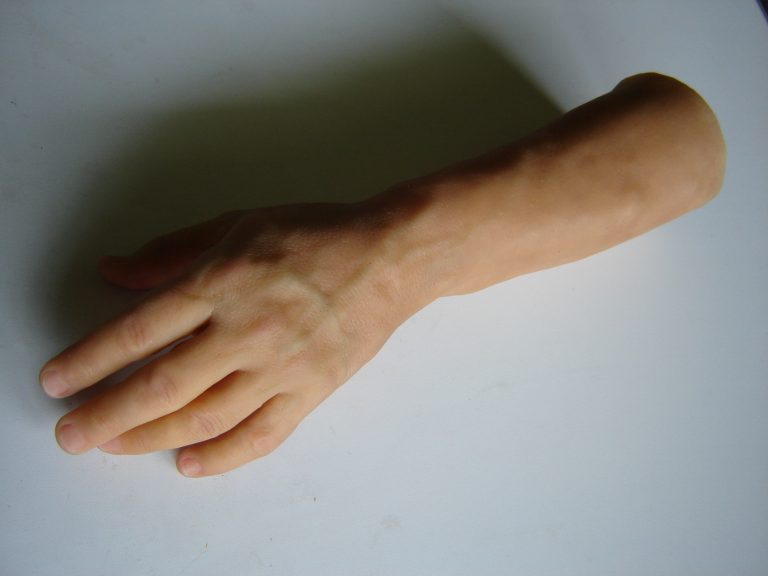
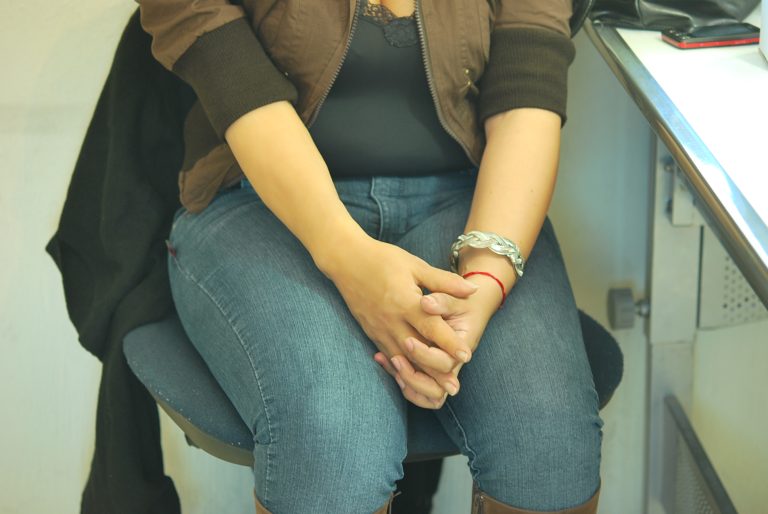
Our prosthetic arms are crafted by skilled artists who meticulously design them to fit the unique shape and size of each individual’s stump. The goal is to create a prosthesis that resembles a living hand with incredible attention to detail.
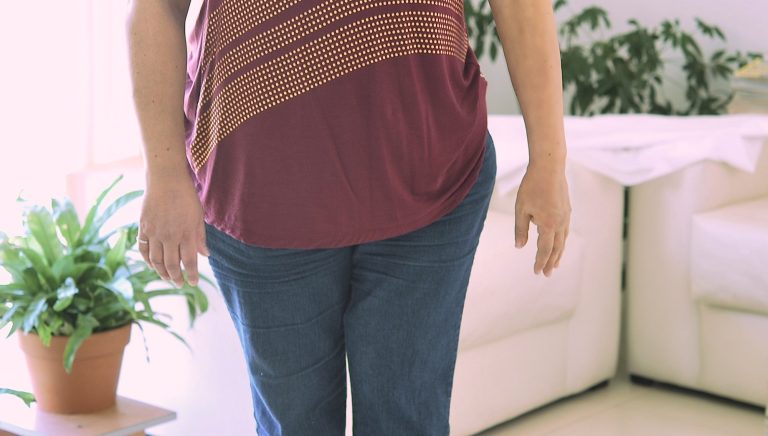
These prosthetics are aesthetic only and their function is to go unnoticed to help the client regain their self esteem and social interactions.
The magic of our prosthetics
Handcrafted Precision
Our arm prostheses are meticulously handcrafted by skilled and experienced artists who understand the delicate nuances of form and aesthetics.
No Surgery Required
Unlike surgical options, our prostheses offer a non-invasive solution. There’s no need for complex surgeries or implants.
Comfort and Durability
Our prostheses are designed for long-lasting comfort. The lightweight materials conform to your body, allowing you to wear them throughout the day.
Tailored Fit
We recognize that every person is unique. Our team customizes the form and fit of each prosthesis to match your specific anatomy.
Natural Appearance
Our artists meticulously match the color and texture of the prosthesis to your skin tone. The result? A seamless transition from natural limb to prosthetic arm.
Express Yourself
We encourage clients to express their individuality. Thats why we’ll work closely with you to achieve the perfect result.
Personalization for Every Individual
Hand prostheses are custom-made and handcrafted, achieving an appearance that closely resembles the natural look.
Testimonials
Our mission is simple: to empower you with confidence.


FDA-approved registration
U.S. Food and Drug Administration
Registration number: 3026400135
The FDA is responsible for protecting public health by ensuring the safety and efficacy of human and veterinary drugs, biological products, and medical devices.
Our commitment
The person using a prosthesis needs to feel comfortable with it and look aesthetically pleasing to others; this enables them to properly integrate into their social, professional, and family environments.
FAQs
What is an aesthetic prosthesis and what is its function?
Aesthetic prostheses are plastic sculptures that simulate parts of the body; they cover up the missing part and obtain aesthetic balance. This aids the amputee in integrating themselves in their social, family, and work environments.
What are the prostheses made of?
The prostheses are made of elastomers from the siloxane family. These materials are based on silicon chains instead of carbon chains like other plastics which cause the siloxane not to dissolve in conventional organic solvents, such as acetones, alcohol, gasoline, grease, etc. In addition, the lack of carbon in its structure makes it very resistant to high temperatures. This material has outstanding elastic properties and excellent breaking resistance, as well.
How are they held to the body?
The prostheses can be attached in several ways and will probably vary from one case to another. The most frequent application method is suction: when placing the prosthesis over the stump a light vacuum is formed between the plastic and the skin, keeping the prosthesis in place without fear of loosening during daily use or when shaking hands with someone else. They are for external use only.
Other prosthetics are held with a special glue, which is hypoallergenic and waterproof.
Can aesthetic prosthesis be functional?
The function of the prosthesis is to blend with the skin in order to be unnoticeable. The person using the prosthesis must feel comfortable with it and look natural to others, supporting their ability to adapt themselves properly to their social, work and family environments.
Will the prosthesis be noticeable?
Dianceht’s aesthetic prostheses achieve a high degree of similarity to the real appearance in skin tone, texture, freckles, spots, and nails because of its custom design. The union of the prosthesis to the body is made in such a way that it is not noticed.
How long does it take to make them?
Manufacturing an aesthetic prosthesis requires many working hours since it is made by hand and each case has its own unique circumstances, which makes it difficult to standardize delivery times. For example, a finger piece for a distal phalange requires approximately 3 months and 4 months for a hand or arm.
What care do they need?
Prostheses are very resistant, but in order to increase their lives and prolong use, certain recommendations must be followed: Stay away from or be extremely careful when using sharp cutting tools, or materials such as knives or paper sheets. Siloxane is very similar to skin; whatever can cut skin, undoubtedly can cut the prosthesis. Do not expose the prostheses to temperatures higher than 400º Fahrenheit. Silanes have excellent elastic properties, but do not over-elongate. Remember that even steel can break if enough tension is applied. Taking care of the prostheses the same way you would any other part of your body will ensure a long life.
Contact Us
Leave your details, and an aesthetic prosthetics specialist will contact you shortly.